

Why Billboards Still Work in 2026 (And Why They May Be the Most Cost-Effective Media You’re Not Using)
What can we say? We believe in billboards ok? With two other blog posts already written on billboards, our most popular being 12 Rules for Every Billboard Design, we figured that it would be a good idea to write one that focuses on why they work! In a world dominated by digital ads, streaming platforms, and constant online noise, it’s easy to assume that traditional advertising methods (like billboards) have lost their impact.
But the reality is the opposite.
Billboards and outdoor advertising, often referred to as Out-of-Home or OOH, remain one of the most cost-effective, high-reach, and memorable forms of advertising available today. In fact, when you look at cost per thousand impressions (CPM), billboards consistently outperform many modern channels—including broadcast television, streaming ads, and even some digital placements.
For small to mid-sized businesses looking to grow in 2026, billboards are not outdated; they’re just underutilized.
Let’s break down what outdoor advertising is, the different types of billboards, and why they continue to deliver strong results.
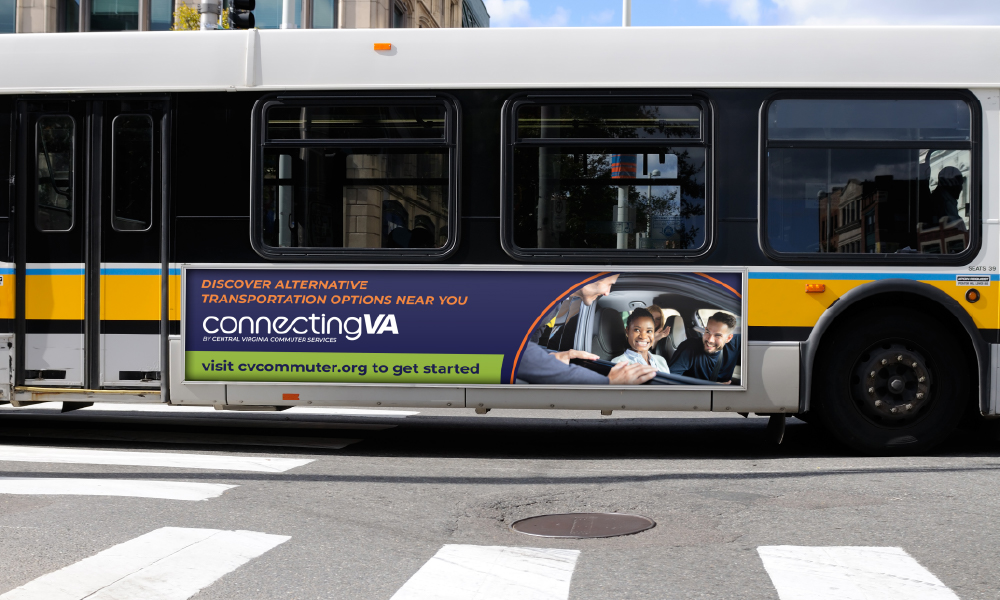
What Is Outdoor Advertising?
Outdoor advertising refers to any marketing that reaches consumers outside of their homes, typically in high-traffic public environments.
This includes:
- Billboards (highway, local roads, urban placements)
- Transit advertising (buses, benches, shelters)
- Street-level signage
- Digital outdoor displays
The key advantage of outdoor advertising is simple: it reaches people where they are already going—during commutes, errands, and daily routines.
Unlike digital ads that can be skipped, blocked, or ignored, outdoor advertising is unavoidable and highly visible. In fact, billboard advertising reaches over 90% of U.S. residents each month, making it one of the most pervasive media channels available.
Just think about the last time you drove to the mall or to your favorite coffee shop. Did you see a billboard? Do you remember the last company you saw advertising on it? Or do you remember a time when you noticed that the artwork changed? For the majority, the answer is most likely a resounding "yes."
The Two Main Types of Billboards
When considering billboard advertising, most placements fall into two primary categories:
1. Static Billboards
These are the traditional billboards most people think of—large printed displays that remain in place for a set period of time.
Key characteristics:
- Fixed creative (does not change)
- Typically lower cost than digital
- Strong for consistent brand visibility
- Ideal for long-term messaging
- Can be illuminated or not, changing the visibility based on time of day.
Static billboards are especially effective for local businesses looking to build awareness in a specific geographic area.
2. Digital Billboards (DOOH – Digital Out-of-Home)
Digital billboards rotate multiple ads on a screen, often changing every 6–10 seconds.
Key characteristics:
- Multiple advertisers share one board
- Ability to update messaging quickly
- Time-of-day or event-based messaging
- Increased flexibility and targeting
- Visible 24/7
Digital billboards often generate higher engagement and impressions due to dynamic content, rotation and the always-lit displays.
Why Billboards Have One of the Lowest CPMs in Advertising
One of our trusted billboard partners, Lamar Advertising, recently came out with a study to show that billboards have one of the lowest cost per thousand impressions (CPMs) in today's advertising landscape, making them a lucrative and cost-efficient marketing tactic.
Let’s take a moment to talk about CPM (Cost Per Thousand Impressions)—a standard metric used to measure how much it costs to reach 1,000 people.
- Billboards typically have a CPM between $2 and $7
- Some studies show billboard CPM as low as $2.94, making it up to 6x cheaper than TV advertising
- Outdoor advertising CPM can be 80% lower than broadcast television
When compared to:
- Broadcast TV (high production + placement costs)
- Streaming ads (increasing CPM due to competition)
- Digital ads (rising costs and declining attention)
…it becomes clear that billboards deliver mass reach at a fraction of the cost. This is especially important for small and mid-sized businesses that need maximum visibility without overspending. Especially those companies trying to capitalize the local market.
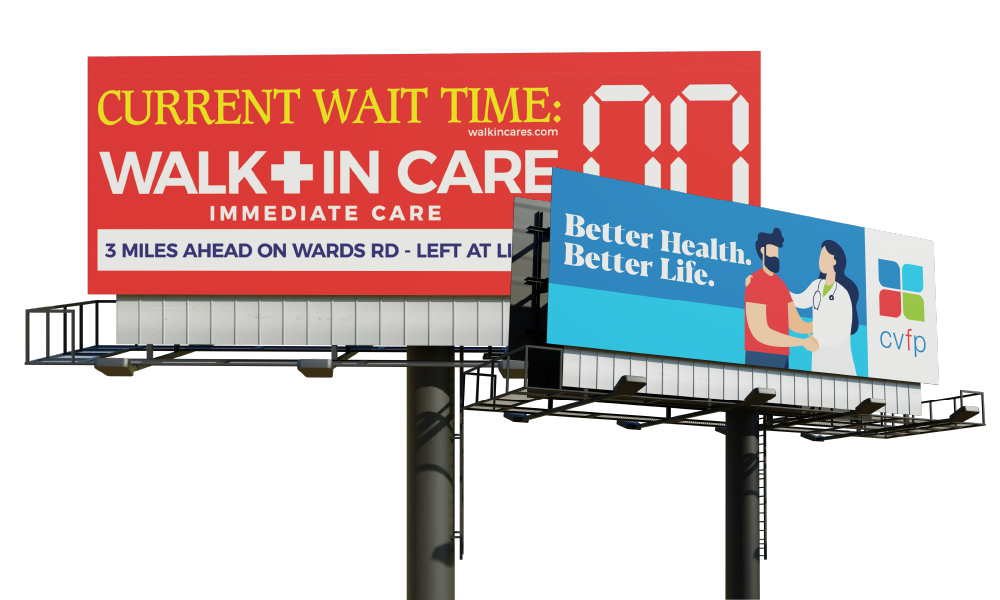
High Reach, High Frequency, and Constant Visibility
One of the biggest strengths of billboards is their ability to deliver consistent, repeated exposure. It is seen every time a car drives down the road. This means that your business can be seen by thousands of cars every day as they make their commute to work, school, etc.
- A single billboard can reach tens of thousands of people per day, depending on the location
- Urban billboards can generate over 1,000 daily views per location
- Many consumers see the same billboard multiple times per week during their commute
This repeated exposure creates familiarity, and familiarity builds trust.
Unlike digital ads that disappear after a scroll or can be hidden when a "not interested" button is selected, billboards are always on, reinforcing your message every day.
Strong Brand Recall and Consumer Action
Visibility is only part of the equation. What matters is whether people remember...and act. You will be suprised to know that billboards actually perform exceptionally well in both!
- Billboards have up to 55% brand recall, compared to significantly lower rates for digital display ads.
- 62% of viewers are more likely to remember a brand after seeing a billboard compared to online ads.
- 26% of people have visited a website after seeing an outdoor ad.
- 68% of consumers report making a purchase influenced by a billboard.
That’s a powerful combination: high reach + high recall + measurable action. As a business or organization, that's the goal of every ad.
Billboards Work Especially Well for Local Businesses
For businesses operating in a defined geographic area, billboards offer a unique advantage: they offer hyper-local visibility.
When we look at the fact that commuters typically pass the same routes daily, the repetition of a billboard is high, which is great for brand recognition and becoming top-of-mind. Messages can also be tailored to a local audience, increasing the effectiveness of the board.
With this information, we have determined that billboards in the local market are ideal for:
- Healthcare providers
- Professional services
- Retail businesses
- Restaurants and local attractions
- Real estate and property management
Instead of trying to reach everyone everywhere, billboards help you own visibility in the areas that matter most to your business. Location and proximity mean everything!
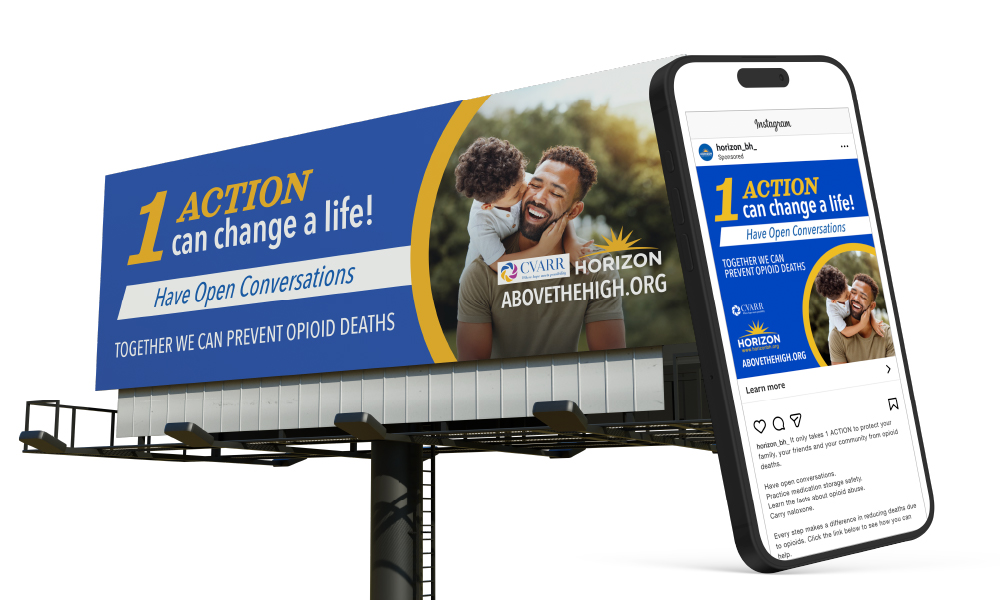
Billboards Complement Digital Marketing (They Don’t Compete)
One of the biggest misconceptions is that billboards and digital marketing are competing channels. They’re not. They are complementary.
Outdoor advertising actually strengthens digital performance:
- OOH campaigns can increase the effectiveness of digital campaigns by over 200%
- Brand awareness from billboards leads to increased search behavior
- Consumers are more likely to click on ads from brands they recognize
Think of billboards as the top-of-funnel driver:
- They create awareness
- Build credibility
- Reinforce brand presence
Then digital channels convert that awareness into action.
Don't ever believe the lie that you have to choose one or the other. Why not do both?
Reliable ROI in an Uncertain Media Landscape
Marketing today is filled with uncertainty. From risidng ad costs and privacy restrictions to ad fatigue and changing algorithms, billboards offer something different. They offer stability. Below are just a few stats that help to prove that:
- Average ROI of nearly $6 for every $1 spent
- Some studies show ROI approaching 500%
- Considered one of the best ROI channels by 66% of marketers
Billboards don’t rely on cookies, algorithms, or user tracking. They simply put your message in front of real people, consistently.
When Billboards Make the Most Sense
We must admit: billboards are not a one-size-fits-all solution. However, they are highly effective when used strategically.
They work best when:
- You want to increase brand awareness in a specific market
- You have a clear, simple message
- Your business relies on local or regional customers
- You want to support other marketing efforts
- You’re looking for cost-efficient reach
They are less effective when:
- Messaging is overly complex
- There is no supporting marketing strategy
- Placement is poorly chosen
Like any marketing tactic, success comes down to strategy, placement, and execution.
Let Billboards be a Part of Your Marketing Strategy in 2026
It's not too late to add billboards to your marketing strategy. In 2026, the marketing landscape is more crowded and more expensive than ever. Businesses are competing for attention across dozens of channels, often paying more for less visibility. But billboards offer something different!
Below are just a few of the key takeaways for billboards and outdoor marketing:
- High visibility
- Low CPM
- Strong recall
- Local targeting
- Consistent presence
They’re not a replacement for digital marketing, but they are one of the most efficient ways to amplify your overall marketing and advertising strategy.
For many businesses, the question isn’t whether billboards still work. It’s whether you’re using them strategically enough to make an impact.
If you’re looking to increase visibility, reach more customers, and make your marketing dollars go further, billboard advertising may be a stronger fit than you realize. At Stimulus, we help businesses evaluate the right markets and locations, types of billboards to incorporate into their marketing strategy, the proper budget and much more.
Whether you’re exploring outdoor advertising for the first time or looking to improve your current media mix, we can help you build a plan that aligns with your goals. Let’s talk about how to make your marketing work harder in 2026.


